

Views: 0 Author: Site Editor Publish Time: 2026-07-05 Origin: Site


Facilities managers and office planners constantly face the challenge of budgeting for flexible workspaces. Modern collaborative environments demand adaptable furniture. Dynamic seating and desking solutions remain absolutely essential for productivity. However, pricing for these functional desks can be highly confusing. Prices range wildly from $150 to well over $1,000 per unit. You need to know exactly what drives these costs. This knowledge helps you avoid overspending on unnecessary features. It also prevents you from buying highly unreliable products.
This guide breaks down the exact pricing tiers for these versatile tables. We will explain the core variables dictating price accurately. We also provide a realistic framework for evaluating long-term expenses beyond the initial sticker price. You will learn how to make smart purchasing decisions for your facility. The "right" budget depends strictly on daily usage frequency, storage constraints, and required durability standards.
Entry-level mobile training tables cost between $150 and $300, while commercial-grade options typically range from $350 to $800.
The primary cost drivers are the quality of the casters, the complexity of the nesting/flip mechanism, and ANSI/BIFMA certification.
A folding flip top training table with wheels reduces real estate costs by allowing high-density storage when not in use.
Hidden procurement costs—such as freight shipping, assembly time, and replacement parts for cheap casters—can significantly impact your final budget.
Understanding the market requires analyzing different price brackets. Buyers evaluating mobile training tables will find three distinct tiers. Each category serves specific organizational needs. You must match the tier to your intended usage.
Price Tier Characteristics Comparison
Price Tier | Cost Range | Best Fit For | Key Features |
|---|---|---|---|
Economy | $150 – $300 | Lightweight use, temporary setups | Basic casters, thin laminate, manual fold |
Mid-Range | $350 – $800 | Corporate rooms, higher education | HPL tops, heavy-duty casters, ganging hardware |
Premium | $800 – $1,500+ | Executive boardrooms, high-end spaces | Integrated power, pneumatic lift, wood veneers |
These budget options suit occasional use perfectly. You might need them for lightweight training sessions. They also work well in temporary event setups. Manufacturers equip them using basic locking casters. The laminate tops remain relatively thin. They often measure under one inch thick. You will find standard metal legs on these units. The folding mechanisms usually require manual operation.
This tier has distinct limitations. The hardware proves prone to wear over time. Frequent movement degrades the hinges quickly. Buyers rarely receive robust commercial warranties. You must weigh these drawbacks against the low initial price.
Corporate training rooms require robust and dependable solutions. Higher education facilities also demand high durability. Desks in this tier feature high-pressure laminate (HPL) tops. Heavy-duty polyurethane casters improve mobility significantly. One-handed flip mechanisms allow quick room turnarounds. You will also find modesty panels and ganging hardware included. Ganging hardware acts as essential table connectors.
This tier offers immense long-term value. Products usually carry 5-to-10-year commercial warranties. They also feature ANSI/BIFMA compliance. This certification guarantees structural integrity during daily reconfiguration.
Executive boardrooms demand luxury alongside practical function. A premium foldable conference table with wheels serves multi-purpose needs perfectly. High-end collaborative spaces utilize these desks to impress clients. They feature integrated power and data modules natively. Manufacturers apply premium finishes like wood veneers. You can specify custom edge banding.
Pneumatic lifts provide seamless height adjustability. Users experience ultra-smooth nesting capabilities. These architectural models blur the line between permanent and mobile furniture.
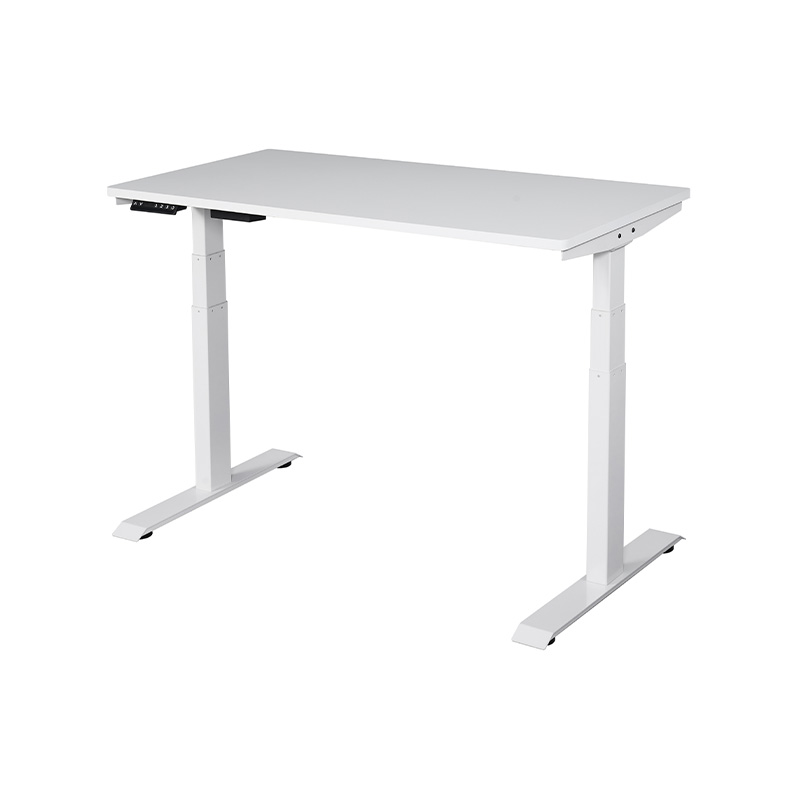
Sticker prices rarely happen by accident. Engineering choices directly influence the manufacturing costs. Understanding these variables helps you justify your budget to stakeholders.
A basic folding leg design costs very little to produce. However, a true mobile flip top training desk features precision-engineered hinges. These advanced hinges allow the tabletop to flip vertically. You can then achieve incredibly tight horizontal nesting. Better engineering equals a higher upfront cost. It simultaneously creates a much lower storage footprint.
Cheap plastic wheels break easily under heavy weight. They can also scratch expensive hard floors permanently. Premium models utilize dual-wheel designs instead. Manufacturers use soft-tread locking casters for these units. They design them specifically for heavy transit. These casters glide smoothly across varying floor types.
Compare basic melamine against High-Pressure Laminate (HPL). HPL strongly resists deep scratches and heat damage. Thick PVC or urethane edge banding offers further protection. It defends against chair collisions and moving impacts. This robust edging raises the retail price. However, it extends the usable life of the table considerably.
Products tested to strict ANSI/BIFMA standards cost more upfront. Manufacturers invest heavily in rigorous research and testing. This process ensures structural safety under intense use. It mitigates physical safety risks for corporate buyers. It also reduces replacement risks significantly.
Always check the warranty terms covering moving parts specifically.
Inspect the caster material; avoid hard plastics on wooden floors.
Request confirmation of ANSI/BIFMA certification for heavy-use environments.
You are not merely buying wood and metal. You purchase specific operational outcomes for your facility. Every feature translates into a measurable business benefit.
Real estate remains incredibly expensive for modern businesses. Paying a premium for a folding flip top training table with wheels translates to reduced square footage requirements. Calculate your real estate savings carefully. Nesting 10 tables in a compact corner frees up floor space. Storing rigid tables wastes thousands of dollars in unused square footage.
Time is money in any corporate environment. A one-handed flip mechanism speeds up room transitions. Smooth-rolling casters enable rapid movement across carpet. A single employee can reconfigure a 30-person room easily. They can finish the task in just 10 minutes. You no longer require a dedicated facilities team for minor adjustments.
Integrated cable management keeps spaces perfectly tidy. Modesty panels increase the per-unit cost slightly. They provide a cleaner, distraction-free environment for users. This directly impacts training effectiveness. Ergonomic features keep attendees focused entirely on the presentation material.
Ignoring the physical weight of the tables when assessing mobility.
Failing to measure doorways before ordering fully assembled units.
Overlooking cable management needs until after the technology is installed.
The unit price rarely represents your final expenditure. Hidden variables often inflate the procurement budget unexpectedly. You must account for these realities before finalizing orders.
Mobile tables are exceptionally heavy and bulky. Shipping frequently requires LTL (Less Than Truckload) freight services. Factor in liftgate fees immediately during budgeting. Inside delivery surcharges can also apply. These logistics fees can add 15-25% to your final invoice.
Flat-pack economy tables demand significant labor to assemble. Your internal team must build them piece by piece. Premium tables often ship partially or fully assembled. Evaluate the internal cost of your maintenance team’s time. Compare it directly against buying pre-assembled units. Factory assembly often proves cheaper in the long run.
Most B2B vendors offer tiered volume discounts. A $500 table might drop to $415 easily. You usually must order 20 or more units to see these discounts. Consolidate your purchasing orders across departments. This strategy maximizes your negotiating leverage with manufacturers.
Buying a $150 table that breaks after 18 months creates financial waste. Daily reconfiguration destroys cheap hardware rapidly. This cycle results in a higher overall lifecycle expenditure. A $400 table lasting 10 years provides vastly superior value. Durability remains the ultimate cost-saving feature.
Selecting the right furniture requires a systematic approach. Follow these structured steps to narrow down your choices effectively.
Define Usage Frequency: Determine how often you will move the furniture. If you reconfigure the room daily, prioritize heavy-duty casters. You must also insist on one-handed flip mechanisms for speed.
Measure Storage Constraints: Test the "nesting pitch" closely. This measurement dictates how tightly the tables pack together. If storage space is highly restricted, you need highly efficient nesting designs.
Assess Technology Needs: Determine if users need plug-and-play power connections. Retrofitting power modules later is expensive and messy. Buying tables featuring pre-cut grommets or integrated power troughs saves headaches.
Request Samples or Warranties: Never commit a massive budget blindly. For bulk orders, request a single unit first. Test its stability and wobble factor. Check the caster smoothness before committing the full budget.
The true cost of mobile training tables involves a delicate balance. You must weigh the initial purchase price against long-term durability. Setup labor and space efficiency play massive roles in the final calculation. Cutting corners on the initial budget often leads to expensive consequences later.
We strongly advise buyers to avoid the absolute bottom of the market. Commercial environments destroy economy-grade furniture quickly. You want to prevent rapid replacement cycles at all costs. Instead, invest in mid-range or premium tiers for daily use.
Take action today by measuring your room dimensions carefully. Calculate your exact required seating capacity. Once you know your numbers, reach out to reputable vendors. Request itemized quotes that include shipping logistics and clear warranty terms. Smart planning ensures you maximize every dollar spent on your flexible workspace.
A: Commercial-grade models typically support 150 to 300 lbs when weight is evenly distributed. Keep in mind that flip-top mechanisms may have slightly lower weight ratings than fixed legs. Always verify the manufacturer's exact specifications before placing heavy servers or dense equipment on the surface.
A: The most common industry standard dimensions are 60"x24" and 72"x24". A 24-inch depth provides adequate room for laptops and training collateral. Shallower desks feel cramped during intense work sessions. Wider 72-inch models accommodate up to three users comfortably.
A: Yes, they can connect using specialized ganging hardware or linking brackets. These metal connectors keep tables perfectly aligned during use. They prevent desks from drifting apart on smooth floors. This optional hardware usually costs an extra $15 to $30 per table.
A: Delivery methods vary by price tier. Economy tables typically use RTA (Ready-to-Assemble) flat shipping, requiring significant manual labor. Premium commercial tables often use factory-assembled freight shipping. While freight shipping costs more, it saves your maintenance team hours of frustrating assembly time.


